Discover All Our
Insurance Services

Personal Insurance Icon

Personal Insurance

Commercial Insurance Icon

Commercial Insurance

Farm Insurance Icon

Farm Insurance

Commercial Insurance

What Is Hole-in-One Insurance?

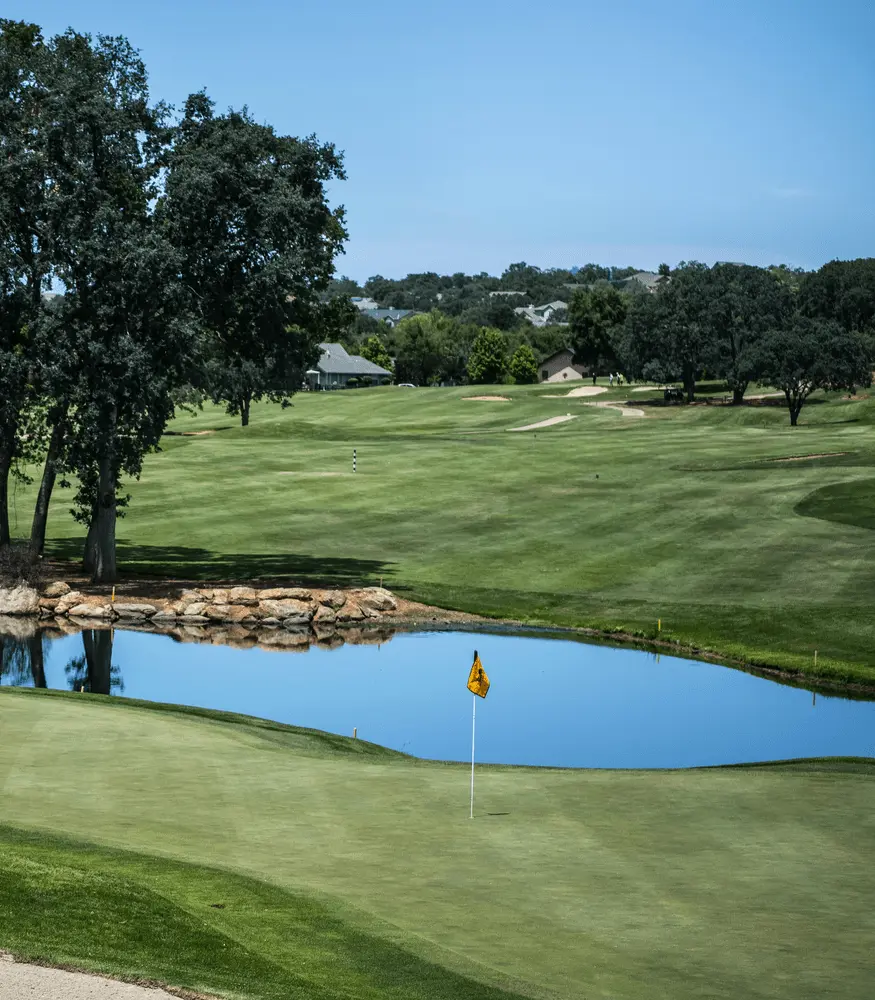
Hole-in-one insurance is a type of prize indemnity insurance: you pay a small, fixed premium, and the insurer agrees to pay the grand prize if a player actually makes the shot. In plain terms, you’re transferring the risk of a very unlikely but very expensive event to an insurance company.


The odds of an amateur golfer acing a given hole are long, which is exactly why the coverage is affordable. Your event gets the excitement of a headline prize, your sponsors get the attention, and if someone does sink the shot, the insurer writes the cheque, not your committee. It’s a niche product within the broader world of commercial insurance coverage, and an independent broker can place it quickly, often within a few business days of your event.

Hole-In-One Insurance - Oegema, Nicholson & Associates

How Does Hole-in-One Insurance Work?

Hole-in-one insurance works in four steps: you pick a prize, the insurer sets a premium based on your event details, you follow the contest rules on tournament day, and the insurer pays the winner if there’s an ace.


Here’s a typical example. A charity tournament wants to offer a $25,000 cash prize on a designated par 3. The organizer applies for coverage, listing the prize value, the number of players, and the length of the hole. The insurer quotes a flat premium, usually a few hundred dollars at this prize level based on published market figures. If a player aces the designated hole under the contest rules, the insurer pays the $25,000. If nobody does, the premium is simply the cost of running the promotion.


Many Canadian providers now let brokers bind this coverage online in minutes, which matters when a sponsor confirms a prize the week before your tournament starts.

Who Buys Hole-in-One Insurance in Ontario?

Tournament and charity event organizers are the main buyers of hole-in-one insurance, but they’re not the only ones. Common policyholders include:

  • Charity and nonprofit event committees running fundraising tournaments. If your organization runs events year-round, it’s worth reviewing your charitable and nonprofit organization insurance at the same time.
  • Corporate sponsors who put their name on a prize hole and want the marketing buzz without the payout risk.
  • Golf courses, clubs, and event venues, which often pair prize coverage with their broader hospitality insurance program.
  • Car dealerships and retailers offering a vehicle as the grand prize.
  • Sports leagues and community groups running similar skill-based contests, like half-court basketball shots or hockey shootouts.
Hole In One Insurance - Oegema, Nicholson & Associates Insurance

What Insurance Do You Need for a Food Truck in Ottawa?

Every food truck that drives on public roads needs commercial auto insurance by law, and nearly every operator also needs liability, product, and equipment coverage to secure permits and event bookings. Here’s the breakdown.

Prize Value Typical Premium Range (General Market, Illustrative)
$5,000 Cash Roughly $100 to $300
$10,000 Cash Roughly $150 to $500
$25,000 Cash Roughly $300 to $800
$50,000 Vehicle Roughly $500 to $1,500
Larger Prizes (up to $1,000,000) Individually underwritten
Hole-In-One Insurance - Oegema, Nicholson & Associates

Hole-in-One Contest Rules: The Policy Requirements Checklist

Insurers only pay a claim when the contest follows the rules written into the policy, so read them before tournament day, not after.


Most Canadian hole-in-one insurance policies include versions of the following requirements:

  • Minimum yardage. The designated hole must measure at least the distance stated in the policy, commonly around 150 yards or more, measured from the tee in play to the flagstick. Women’s tees may be set closer by a stated maximum.
  • Independent witnesses. Prizes up to about $50,000 usually require one adult witness stationed at the green. Larger prizes typically require two, one at the tee and one at the green. Witnesses can’t be playing in the group.
  • Minimum group size. Players generally must golf in groups of at least three.
  • Amateur players only. Professional golfers are usually excluded from winning the insured prize.
  • One attempt per player. Each registered golfer gets a single try on the designated hole unless the policy says otherwise.
  • Written contest rules and signage. Post the prize, the designated hole, and the eligibility rules where players can see them.
  • Accurate player count. Report your registration numbers honestly. Underreporting can void coverage.

Run through this checklist with your broker when you bind the policy, and again the morning of the event.

Prize Reinstatement and Multiple Winners

Most hole-in-one policies pay the full prize once, for the first ace on the designated hole. That raises an obvious question: what happens if two players make the shot?

Some insurers include partial prize reinstatement, which restores a percentage of the prize value for a second hole-in-one during the same event. Others offer full reinstatement as an optional add-on. If your tournament format makes a second ace plausible, for example, a large field on a short par 3, ask your broker to quote reinstatement so a feel-good moment doesn’t turn into an awkward one.

Prize Reinstatement and Multiple Winners - ONA
Does Your Tournament Need More Than Prize Coverage - ONA

Does Your Tournament Need More Than Prize Coverage?

Prize indemnity covers the prize, and nothing else. A tournament also brings crowds, alcohol service, volunteers, rented equipment, and traffic in and out of the venue. If a spectator is injured or property is damaged, that’s a liability claim, not a prize claim, and it falls to your organization’s commercial general liability insurance or a special event policy.


Before your event, confirm what your existing policies already cover and whether the venue requires you to carry your own liability limits. If your business is the sponsor, your small business insurance package may already include some of what you need.

Why Arrange Hole-in-One Coverage Through an Ottawa Broker?

Not every insurer offers prize indemnity coverage, and the ones that do each have their own rules, yardages, and reinstatement options. As an independent brokerage serving the Ottawa area since 1961, Oegema, Nicholson & Associates shops multiple markets, matches the policy conditions to how your event actually runs, and makes sure the certificate is in hand before your first foursome tees off. Our insurance brokers in Ottawa work for you, not the insurer, and we can bundle prize coverage with the event and business protection your organization already carries.
Why Arrange Hole-in-One Coverage Through an Ottawa Broker - ONA

Frequently Asked Questions

How much does hole-in-one insurance cost?

Hole-in-one insurance in Ontario often starts around $100 to $150, with most tournament prizes costing between roughly $150 and $1,000 to insure, based on general market figures published by Canadian insurers. The premium depends on the prize value, the number of players, and the length of the designated hole. Your broker will confirm current pricing for your specific event.

What is prize indemnity insurance?

Prize indemnity insurance is coverage that pays a promotional prize if a contestant wins a skill-based contest, so the organizer never has to fund the payout. Hole-in-one insurance is the best-known type, but the same coverage applies to contests like half-court basketball shots, hockey shootouts, and putting challenges.

How does hole-in-one insurance work?

The event organizer pays a fixed premium before the tournament, and the insurer pays the grand prize if a player makes a hole-in-one on the designated hole under the contest rules. The policy sets conditions like a minimum hole length, independent witnesses, and amateur-only eligibility. If no one makes the shot, the premium is simply the cost of the promotion.

Do you need insurance for a hole-in-one prize?

There’s no law requiring it, but offering a large prize without coverage means your organization pays the full amount if someone makes the shot. For a premium that’s a small fraction of the prize value, hole-in-one insurance transfers that risk to the insurer, which is why many tournaments offering prizes worth $5,000 or more choose to insure them.

Ready to lock in your prize coverage before tournament day? The insurance brokers at Oegema, Nicholson & Associates have been helping Ottawa businesses find the right protection since 1961. Get a free quote today.

Learn more about Home Insurance

In This ArticleIs Boat Insurance Mandatory in Ontario?When Boat Insurance Becomes a Practical RequirementWhat Does Boat Insurance Cover in Ontario?Wha...

In This ArticleIs Home Insurance Required by Law in Ontario?Do You Need House Insurance If You Have a Mortgage?Home Insurance Laws in Ontario: What th...

In This ArticleWhat Is Cyber Liability Insurance in Canada?What Does Cyber Liability Insurance Cover?Are Canadian Small Businesses Really at Risk?What...

What Our Clients Are Saying

Real stories from people who trust
Oegema, Nicholson & Associates Insurance

Google Review Icon

Service Areas

Insuring Individuals and Businesses in Ottawa and Beyond

Contact Us

Let’s Talk Insurance
Get in Touch For a Free Consultation